
What Are Modern Braces, and Why Are They Still Relevant in 2026?
If you’re picturing the bulky metal brackets from your parents’ yearbook photos, it’s time for an update. Braces have changed dramatically, especially for families exploring orthodontic care in 2026. At Weber Orthodontics, our Board Certified Orthodontists with DDS and MS credentials use today’s smaller, sleeker brackets and advanced materials to make treatment faster, more comfortable, and more effective than ever before.
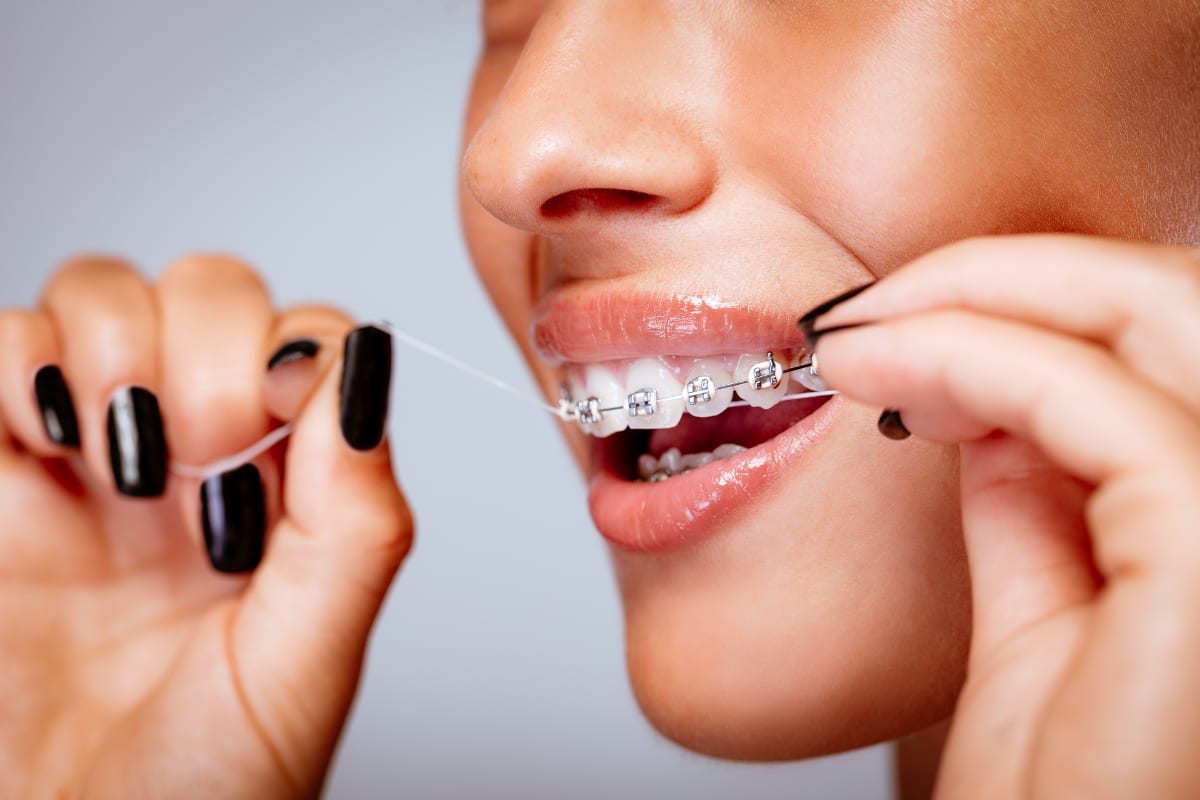
Modern braces are fixed orthodontic appliances that use small brackets bonded to teeth and connected by archwires to gradually correct alignment, bite issues, and crowding. They remain the most proven and reliable method for correcting complex orthodontic issues like severe crowding, rotated teeth, and bite concerns that other options can’t fully address.
The 2026 version of braces looks nothing like what you might remember. Self-ligating systems eliminate the need for elastic ties, reducing friction and visit time. Digital treatment planning lets orthodontists map out your entire smile before a single bracket is placed. Some practices even use 3D-printed custom brackets designed specifically for your teeth.
Heat-activated archwires represent another major leap forward. These wires respond to your body temperature, applying gentle, consistent pressure that moves teeth more efficiently with less discomfort. The result? Shorter treatment times and fewer adjustment visits.
Our team offers multiple modern braces systems designed around each patient’s specific needs. Whether you’re a parent exploring options for your child, a teen ready to get started, or an adult finally getting the smile you’ve always wanted, today’s braces deliver results you can count on.
How Today’s Braces Work: The Process From Start to Finish
Understanding what to expect takes the mystery out of orthodontic care. Here’s how the process unfolds from your first visit to your final reveal.
What Happens at Your Free Consultation?
At Weber Orthodontics, everything starts with a conversation. During your first visit, your orthodontist takes digital X-rays, photographs, and 3D scans of your teeth using iTero scanners. No goopy impressions. No guesswork.
From there, your doctor reviews these images with you, explains what’s happening with your bite and alignment, and creates a treatment plan built around your goals. You’ll know exactly what to expect, how long treatment should take, and what your investment will be before you commit to anything.
What Is Bracket Bonding Day Like?
It’s easier than you might think. Thanks to modern adhesives, brackets bond to teeth quickly and comfortably, and most patients are in and out in about an hour. Each bracket is carefully positioned for optimal tooth movement, the archwire threads through, and you’re on your way.
Some mild pressure is normal as your teeth begin responding to treatment, but it fades quickly.
How Often Are Adjustment Visits?
You’ll return every 6 to 10 weeks for progress checks and wire adjustments. Self-ligating braces often require shorter visits since there are no elastic ties to replace. Your doctor monitors movement, makes adjustments, and keeps everything on track.
These visits are also your chance to ask questions and celebrate your progress. Many patients look forward to seeing how much has changed since their last visit.
What Happens When Treatment Is Complete?
The big day arrives when your braces come off. The brackets come off, your teeth get polished, and your new smile is revealed. But the work doesn’t stop there.
Retainers are essential for long-term success. Your teeth need time to settle into their new positions, and retainers prevent them from shifting back. Most patients wear retainers full-time initially, then transition to nighttime wear.
Average treatment time ranges from 12 to 24 months depending on your specific case. Mild issues may resolve faster, while complex cases may take longer. Accelerated options using adjunctive technologies can reduce overall time for qualifying candidates.
7 Reasons Braces Remain One of the Smartest Orthodontic Investments in 2026
With so many orthodontic options available today, why do braces remain a top choice for patients and families across the country? Here are seven strong reasons.
Why Do Braces Offer Superior Precision for Complex Cases?
When other options fall short, braces step up. Severe crowding, open bites, deep bites, crossbites, and significant jaw alignment issues all respond exceptionally well to braces. The direct connection between bracket and tooth gives your orthodontist control over exactly how each tooth moves, something removable options can’t match with the same consistency.
How Do Braces Eliminate Compliance Concerns?
Unlike removable aligners that require 20 to 22 hours of daily wear, braces stay in place doing their job whether you’re sleeping, eating, or forgetting where you put things. No risk of lost trays or skipped wear time derailing your progress. That makes braces particularly effective for teens and anyone who knows compliance isn’t their strong suit.
Have Comfort Improvements Changed the Braces Experience?
Night and day difference from a decade ago. Rounded edges reduce irritation, lighter forces move teeth more gently, and heat-activated wires apply consistent pressure without the dramatic tightening sensations of older systems. Most patients tell us braces were way easier than they expected.
What Aesthetic Options Are Available?
Clear and ceramic brackets blend with your natural tooth color. You can even choose colored elastics to express your personality. For patients who want reliability without the look of metal, ceramic braces hit a great middle ground.
Why Are Results So Predictable?
Over a century of clinical refinement backs up every case. According to the American Association of Orthodontists, braces remain one of the most reliable methods for achieving full orthodontic correction.
Are Braces Cost-Effective Compared to Other Options?
For comparable treatment complexity, braces often cost less than Invisalign therapy. Many families find that braces give them the best combination of results and affordability, especially for cases that need significant correction.
Do Modern Braces Require Fewer Emergency Visits?
Durability has come a long way. Self-ligating brackets eliminate broken elastic ties entirely, and stronger materials mean fewer bracket replacements. You spend less time in the chair for unexpected repairs and more time enjoying your progress.
Braces vs. Invisalign vs. Other Options: How Do They Compare in 2026?
Choosing between braces and aligners comes down to your specific needs, lifestyle, and treatment goals. Here’s an honest comparison.
How Do Metal Braces Perform for Complex Cases?
The classic choice, now modernized with smaller brackets and advanced wire technology. Metal braces handle virtually any orthodontic case and require no patient compliance beyond good oral hygiene and showing up for visits. They’re typically the most affordable option and remain the workhorse of orthodontics for good reason. For patients dealing with severe crowding or significant bite correction, metal braces consistently deliver reliable, predictable outcomes that other systems struggle to match.
How Do Ceramic Braces Compare for Aesthetics and Effectiveness?
Same effectiveness as metal with a more discreet appearance. The tooth-colored brackets blend in, though they may require slightly more care to prevent staining. A great middle ground for patients who want the reliability of braces with improved aesthetics.
What Makes Self-Ligating Braces Different?
These use specialized clips instead of elastic ties to hold the archwire. Benefits include shorter visits, easier cleaning, and potentially faster treatment. Available in both metal and ceramic versions.
When Is Invisalign the Better Fit?
Nearly invisible removable trays that gradually shift teeth. Ideal for mild-to-moderate crowding, spacing, and some bite issues. Requires excellent compliance since aligners must be worn 20 to 22 hours daily. Popular with adults prioritizing aesthetics, but not always the right call for complex cases.
Quick Comparison Table
| Factor | Metal Braces | Ceramic Braces | Self-Ligating | Invisalign |
|---|---|---|---|---|
| Complex cases | Excellent | Excellent | Excellent | Limited |
| Aesthetics | Visible | Subtle | Subtle | Nearly invisible |
| Compliance needed | Low | Low | Low | High |
| Treatment time | 12-24 months | 12-24 months | 12-24 months | 12-18 months |
| Cost range | Most affordable | Moderate | Moderate | Moderate-Higher |
| Best for | All ages, complex cases | Aesthetic-conscious patients | Efficiency seekers | Mild-moderate cases, adults |
Our Board Certified Orthodontists, each holding DDS and MS credentials, offer both braces and Invisalign. That means recommendations are based purely on what will work best for your smile, not on which product happens to be available. During your free consult, your orthodontist will explain which options suit your specific case and help you choose with confidence.
How Much Do Braces Cost in 2026? Key Factors That Affect Your Investment
Braces generally cost several thousand dollars, with most cases falling somewhere between $3,000 and $7,000 depending on treatment duration, bracket type, and case complexity. Insurance benefits, flexible payment plans, and financing options can significantly reduce your out-of-pocket costs. The best way to get a clear number is through a free consult with a qualified orthodontist.
How Does Treatment Duration Affect Cost?
Longer treatment typically costs more. A straightforward 12-month case requires fewer visits and materials than a complex 24-month case. At Weber Orthodontics, we give you a realistic timeline during your free consult so you understand the full picture before getting started.
Does Bracket Type Change the Price?
Metal braces are generally the most affordable option. Ceramic and self-ligating systems may cost more due to material differences. Our team can explain pricing for each option during your visit so you can weigh the tradeoffs.
How Does Case Complexity Impact Cost?
Severe crowding, significant bite issues, and cases requiring extractions or other interventions naturally require more expertise and time, affecting the overall investment. Every mouth is different, which is why a professional evaluation matters before comparing prices.
Does Insurance Cover Braces?
Many dental insurance plans include orthodontic benefits that cover a portion of treatment costs. Every plan is different, but our team can pull your benefits and break down what’s covered before you start.
How Can You Make Braces More Affordable?
Braces shouldn’t be out of reach because of budget concerns. Flexible payment plans spread the cost over time, often with low monthly payments that fit most budgets.
Some practices offer interest-free financing options as well. A free consult is the best way to understand your specific investment, and you’ll receive a detailed treatment plan with clear pricing before making any commitment.
Are Braces Right for You? Who Benefits Most From Braces in 2026
Braces work well for children as young as seven, teens with permanent teeth in place, and adults of any age with healthy teeth and gums. They’re especially effective for complex cases involving severe crowding, significant bite issues, or rotated teeth that other options can’t fully address. Here’s a closer look at who tends to benefit most.
Are Braces Right for Children?
The American Association of Orthodontists recommends an initial orthodontic evaluation by age 7. Two-phase treatment for younger patients can guide jaw growth, create space for incoming permanent teeth, and simplify or even eliminate the need for more extensive treatment later. Getting that first evaluation early gives your family more options down the road.
Why Are the Teen Years Ideal for Braces?
The teenage years remain the most common time for braces. Permanent teeth are in place, jaw growth is predictable, and treatment can be completed before young adulthood. Because braces don’t require the same daily compliance as removable aligners, they’re particularly effective for teens who have a lot going on.
Can Adults Get Braces Successfully?
Adult orthodontics is one of the fastest-growing areas in the field, with the AAO reporting that roughly 1 in 3 orthodontic patients today is over 18. There’s no age limit. Whether you’re 25 or 65, if your teeth and gums are healthy, you’re likely a candidate. Many adults find that braces offer more predictable results for their specific concerns than other options.
Who Benefits Most From Braces Specifically?
Braces are often the preferred choice for severe crowding, complex bite issues (overbites, underbites, crossbites, open bites), rotated or tilted teeth, patients who know they’ll struggle with aligner compliance, and cases requiring extractions or surgical coordination.
The only way to know for certain which treatment suits your needs is through a professional evaluation at Weber Orthodontics. A Board Certified Orthodontist can assess your specific situation and recommend the most effective path forward.
Frequently Asked Questions About Braces in 2026
Do braces hurt?
Modern braces cause much less discomfort than older systems. Most patients experience only mild soreness for one to three days after placement and adjustments. Over-the-counter relievers and soft foods help during these brief periods, and most patients tell us the whole thing was way easier than they thought.
How long does braces treatment take?
Most cases complete within 12 to 24 months with regular adjustment visits. Mild crowding may resolve faster, while complex bite correction may take longer. Your orthodontist will provide a realistic timeline during your free consult.
Can adults get braces?
Without question. Adults make up a growing percentage of orthodontic patients, and healthy teeth and gums are the main requirements, not age. Many adults choose braces because they offer reliable results for complex issues that weren’t addressed earlier in life. You’re never too old to get the smile you deserve, and our team sees adults getting started every single week.
Are ceramic braces as effective as metal braces?
Ceramic braces use the same mechanics and achieve equivalent results for most cases. The tooth-colored brackets require slightly more attention to prevent staining from certain foods and beverages, but when it comes to moving teeth, they get the job done just as well.
Can I play sports or musical instruments with braces?
You can stay active and keep playing music with braces. For contact sports, a protective mouthguard is essential. Wind and brass instrument players may need a brief adjustment period, but most adapt quickly.
What happens after braces come off?
Retainers maintain your results after treatment ends. Most patients wear retainers full-time initially, then transition to nighttime wear. Wearing them as directed protects your results for years to come. Think of retainers as the final, essential step in the whole process.
If you’re curious about whether braces are the right fit for you or your family, the team at Weber Orthodontics would love to meet you. We treat each patient as if they were our only patient, taking time to answer your questions and create a treatment plan that fits your life. Your free consult includes digital imaging, a full evaluation, and a custom recommendation with no obligation.